Casa Manilaon The Danforth

About

Filipino, the way
Mila cooks at home.

Family-run since 2010 — fifteen years of Casa Manila. One kitchen now, on the Danforth. One menu honest enough that the vegan version gets ordered second, behind the lumpia.

Casa Manila opened on the Danforth in December 2010 — a small Filipino dining room in a city that did not yet know it wanted Filipino food. Mila Nabor-Cuachon runs the kitchen, Rizalde Cuachon runs the business, and the two of them have spent fifteen years building one menu they could be proud of.

Mila cooks the way she runs her house: nothing leaves the pan that she would not feed her own family. No MSG, no artificial flavours, no preservatives, less salt. She does not use fish sauce in her meat recipes. The vegan track exists because her family has vegans in it, and the dishes earn their place at the table — not as substitutes, as themselves.

The lumpia is the dish people remember. It is hand-rolled the morning of pickup, fried to order. We sell trays of it in four sizes. Office buyers in particular have figured out that twenty crisp lumpia hits the conference table differently than another tray of sandwiches.

In March 2026 — the start of our fifteenth year — we brought everything under one roof. 508 Danforth Ave now also houses our sister brand, Masaya Gourmet — five Filipino sauces we ship across Canada so the kitchen travels home with you.

We funnelled the dine-in menu down to the dishes we are best at. The full Filipino spread — the Kamayan, the banana leaves, the long table — happens by reservation. Most weeks the dining room is small on purpose. Most weeks the trays go out the back door to Toronto's offices.

In Mila’s words

Mabuhay!

Our story, our food, and the philosophy behind every plate — in the words of the family who started Casa Manila.

About Casa Manila

In 2010, we began our mission to make Filipino food known and appreciated by people of all cultures. Focusing on classical, regional and colonial Filipino recipes, which are relatively unknown amongst Torontonians, we also wanted to create a restaurant experience that embraced and faithfully depicted Filipino culture and artistry.

Understanding Filipino cuisine

Filipino recipes are a natural fusion of indigenous Malay-based dishes influenced by the Chinese traders that came before Spanish colonization. The Acapulco–Manila galleon trade routes then began a long history of culinary exchange with Southeast Asians, Arabs, Portuguese and Japanese, and the U.S. military legacy left a new fondness for all things American, including processed and fast food. Within this massive culinary diversity, Filipino cuisine is highly individualistic and varies widely by province, island, town and even household, having been shaped by family and local tradition. All these are reasons why Filipino cuisine is difficult to define as one particular culinary identity against the larger emergence of Asian cuisine, despite Filipinos being one of the largest ethnic groups in North America. Our aim is to celebrate and share this unique history and diversity while remaining true to our roots in nature.

The story of Filipino food begins with nature

The Philippines being a diverse Pacific archipelago meant an abundance of plants. By tradition, a meal without rice cannot satisfy the appetite. Garlic, onions, sugarcane and coconut are indigenous to the islands and found in many recipes, as are banana, mango, tamarind, calamansi and yam. Spanish influences introduced tomatoes, peppers, corn, wheat flour and new styles of cooking and baking, resulting in more westernized recipes, also well-loved by Filipinos.

Canada’s first vegan Filipino menu

In larger Philippine cities, colonization, convenience, and globalization shifted locals’ focus from plant- and fish-based diets to a predominantly meat diet, which was considered a privilege. We felt that restoring plant-based recipes and developing new vegetarian dishes would help make Filipino cuisine not only healthier, but also more accessible for an increasing number of vegetarians and vegans.

Canada’s first Kamayan

In 2012, we were first to introduce the best-selling Kamayan “hand to mouth” dining experience: an indigenous inspiration updated to the most hygienic standards, complete with the use of fresh banana leaves, bamboo platters, and real coconut cups, as well as drums to set a fun and vibrant mood.

Keeping it natural and consistent

Our unique cooking philosophy is Nature to Nurture, based on the idea that the less we tamper with Mother Nature’s goodness in our food, the more she will nurture our bodies. This means using less salt and no MSG, artificial flavors or preservatives, trimming most fat (unless the recipe calls for it), cooking with clean oil, and choosing quality local meat and flash-frozen seafood. Whole fresh ingredients, in addition to clean and genuine home cooking, set Casa Manila apart.

Mabuhay spirit

Casa Manila is the place to take friends and family for special occasions or simply enjoy tasty Filipino cooking in a one-of-a-kind environment, visually and sensuously transporting you to the Philippines as soon as you walk through the door.

— Mila Nabor-Cuachon & Rizalde Cuachon

The room

When it's full,
it's full of people you know.

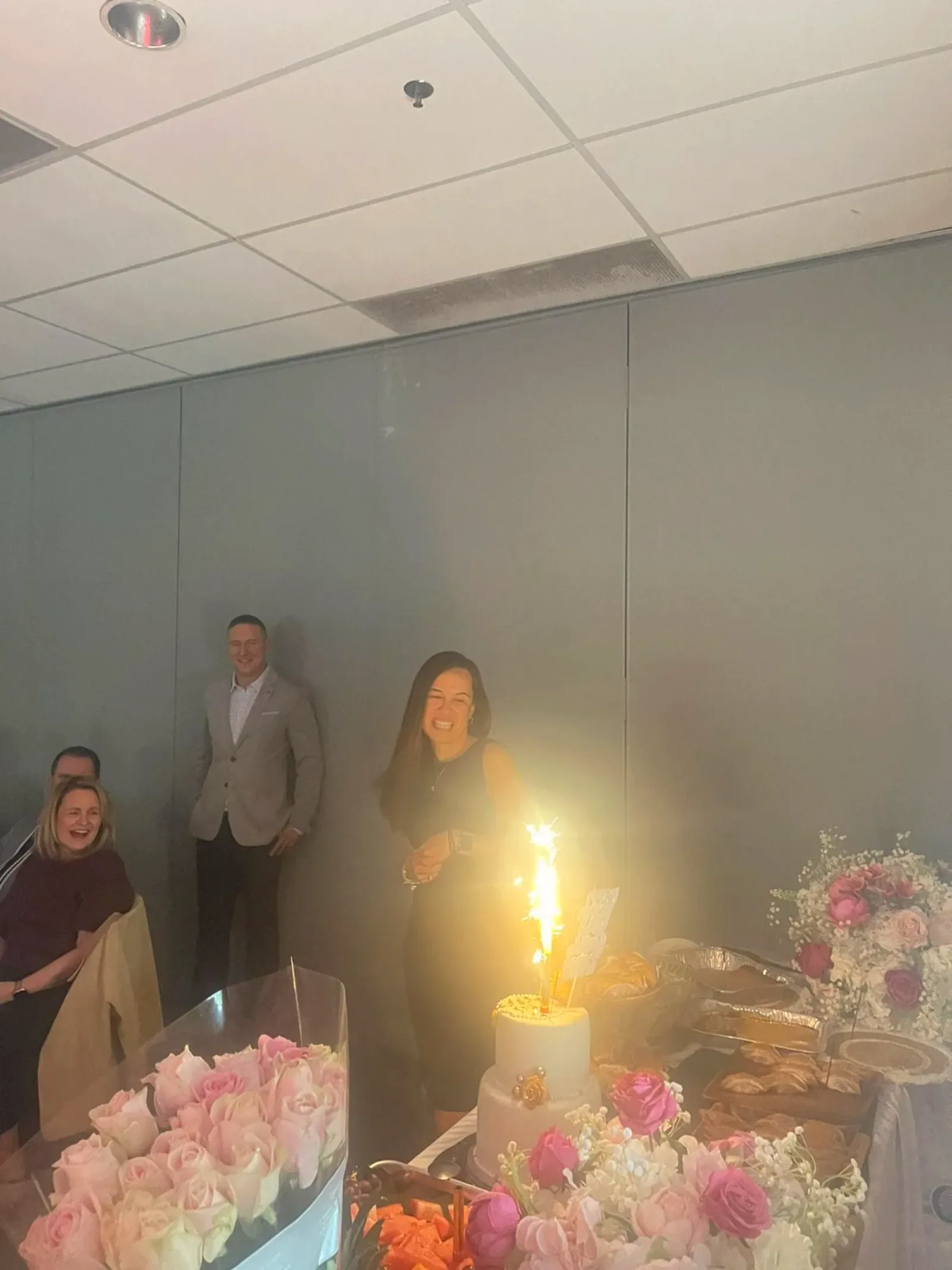
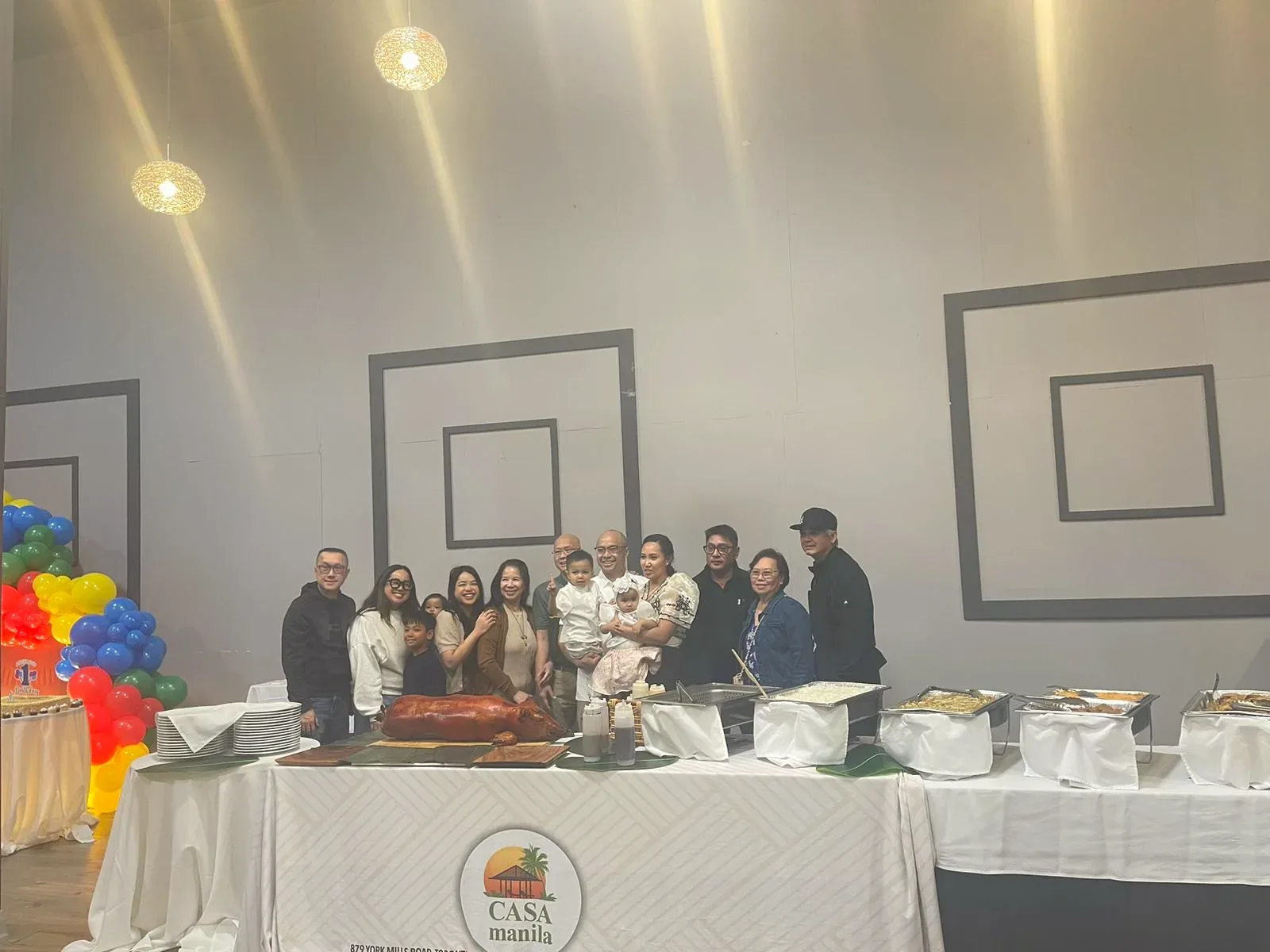
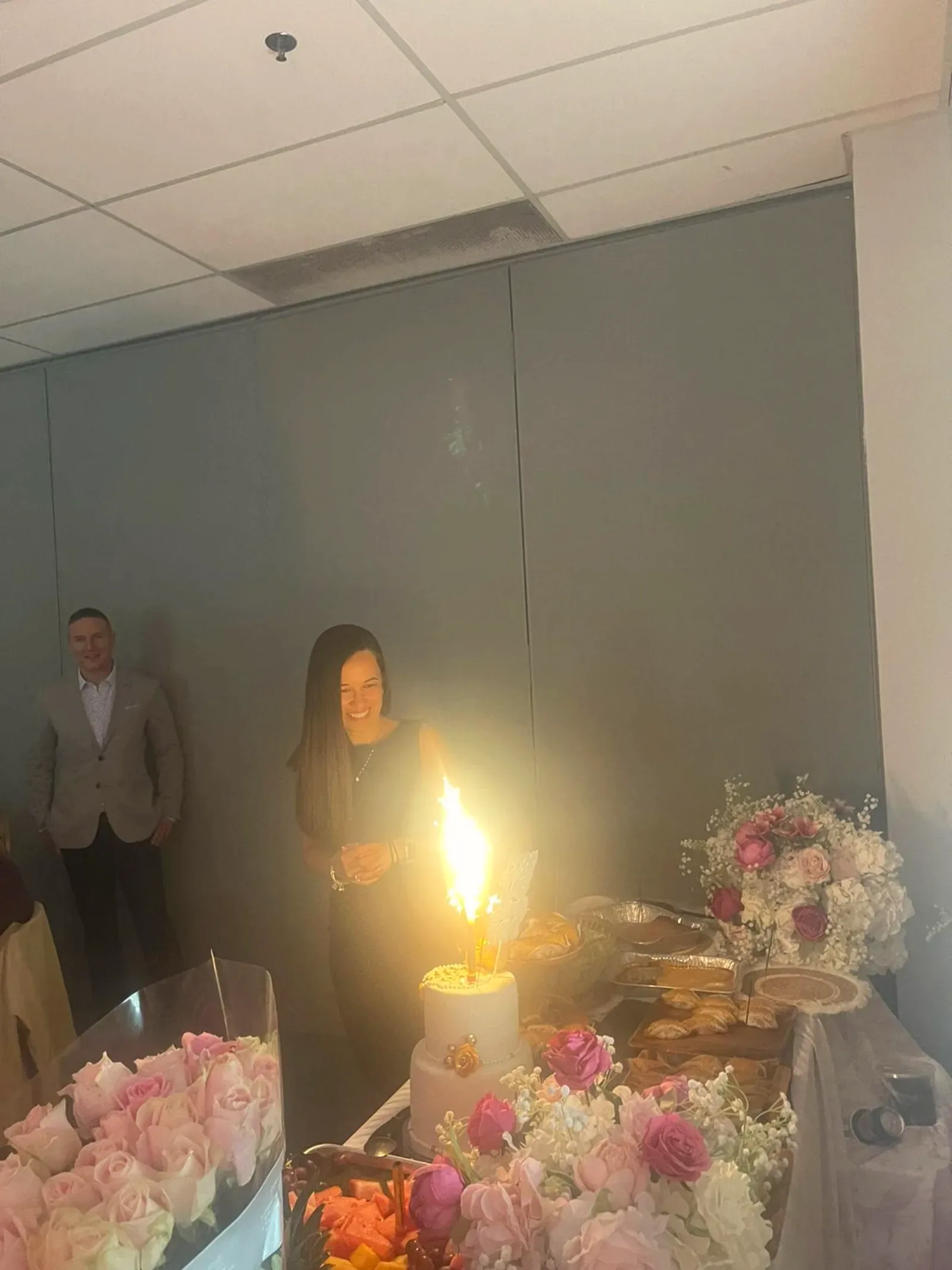
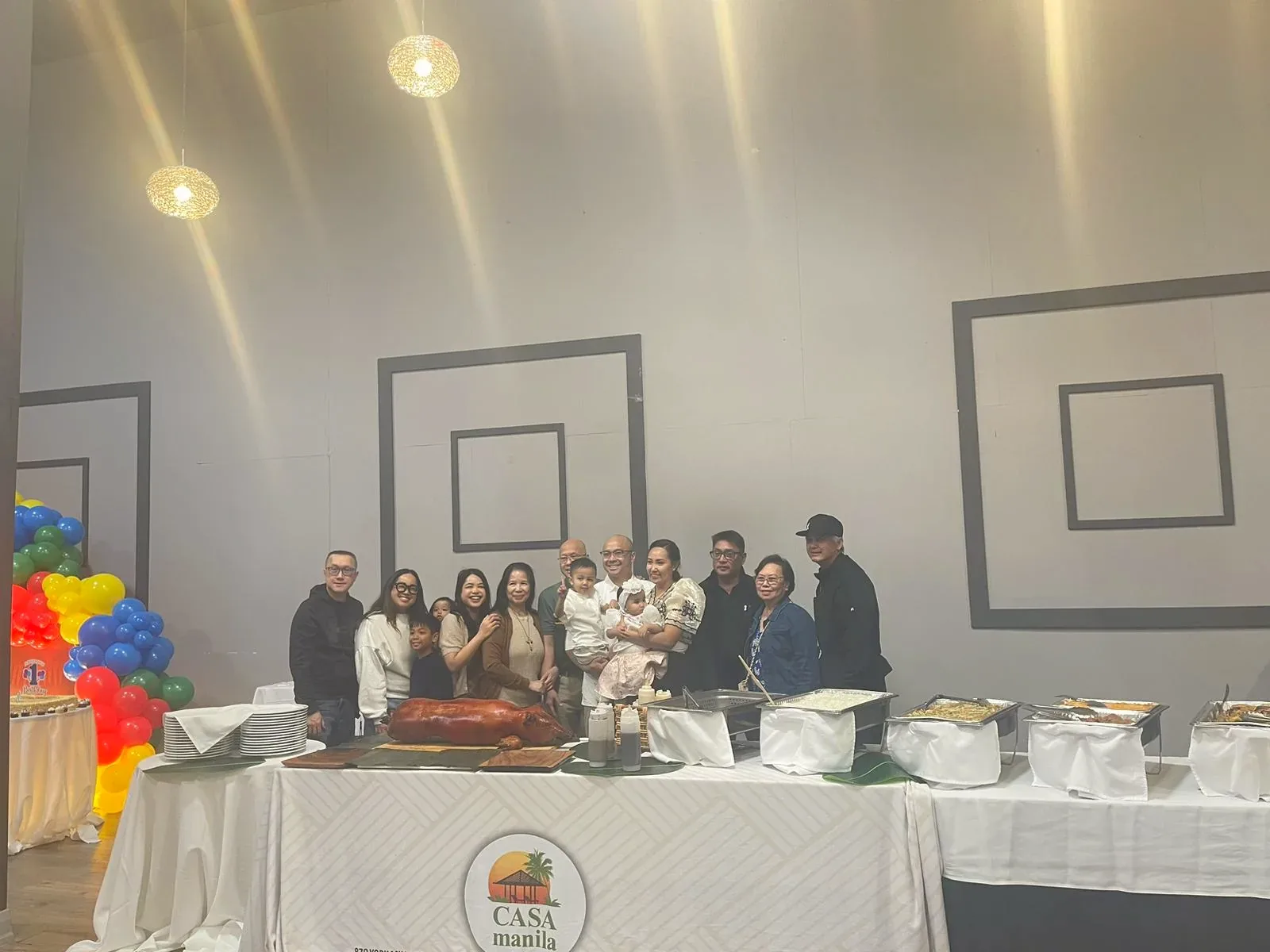
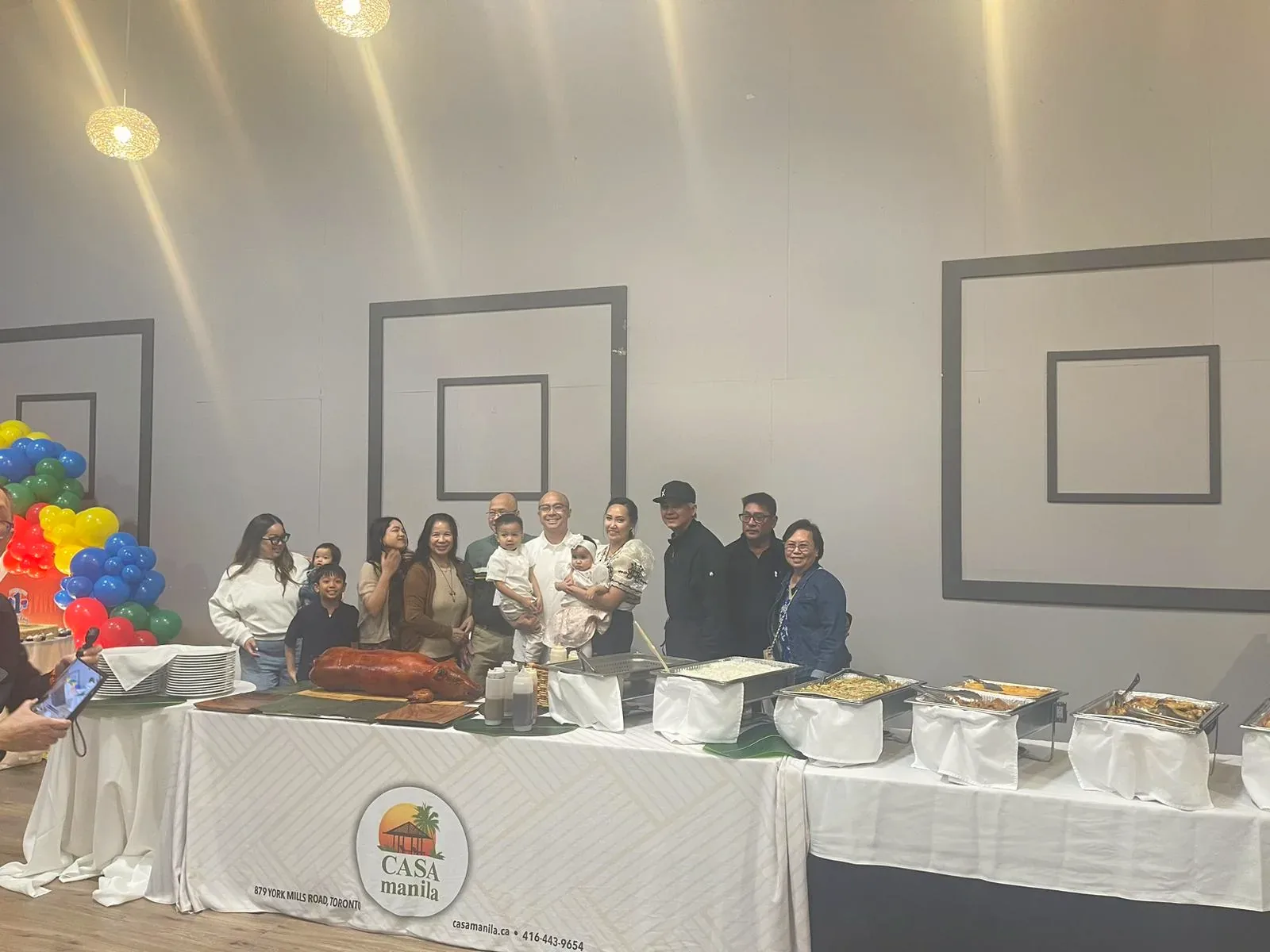
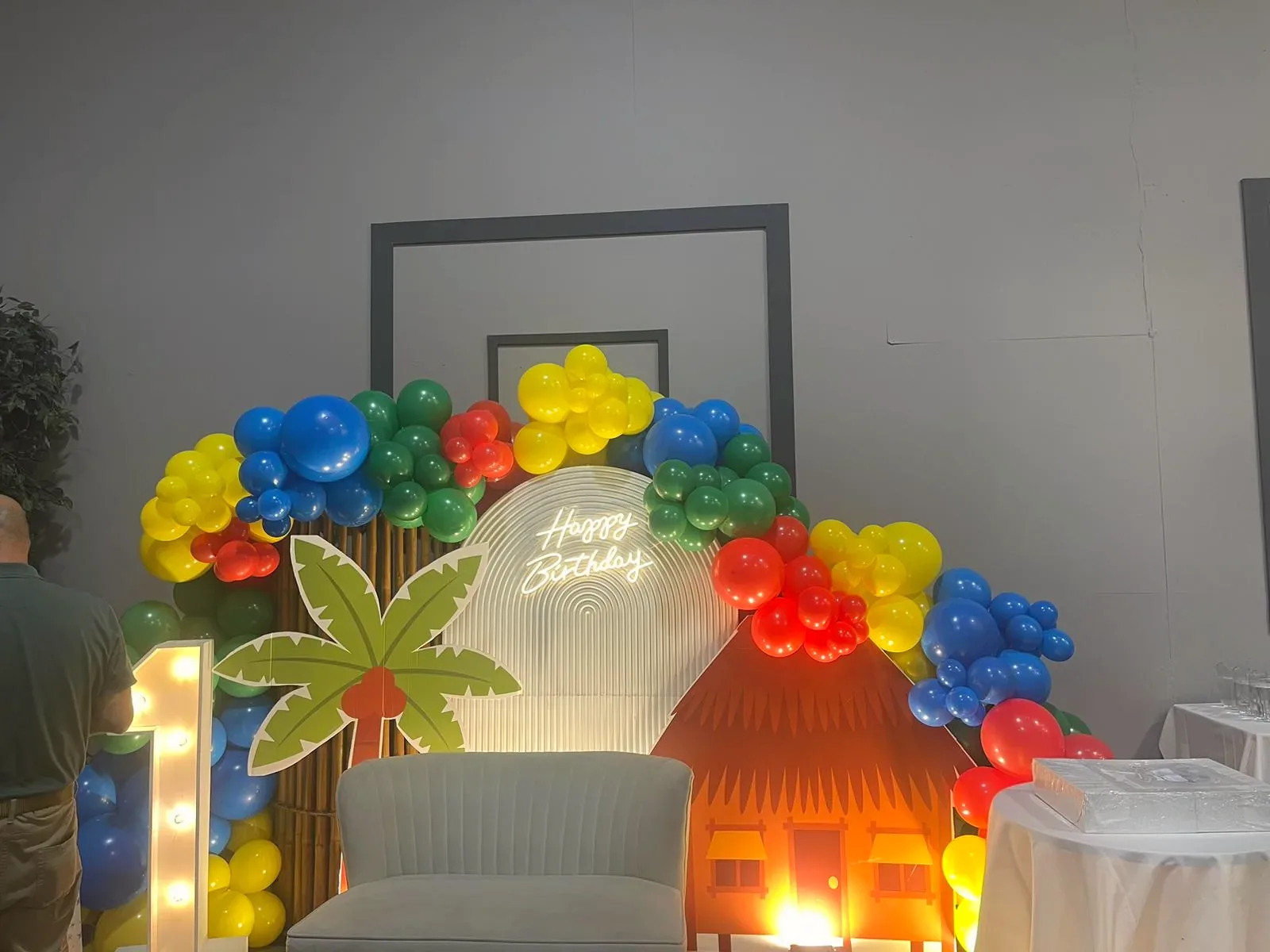
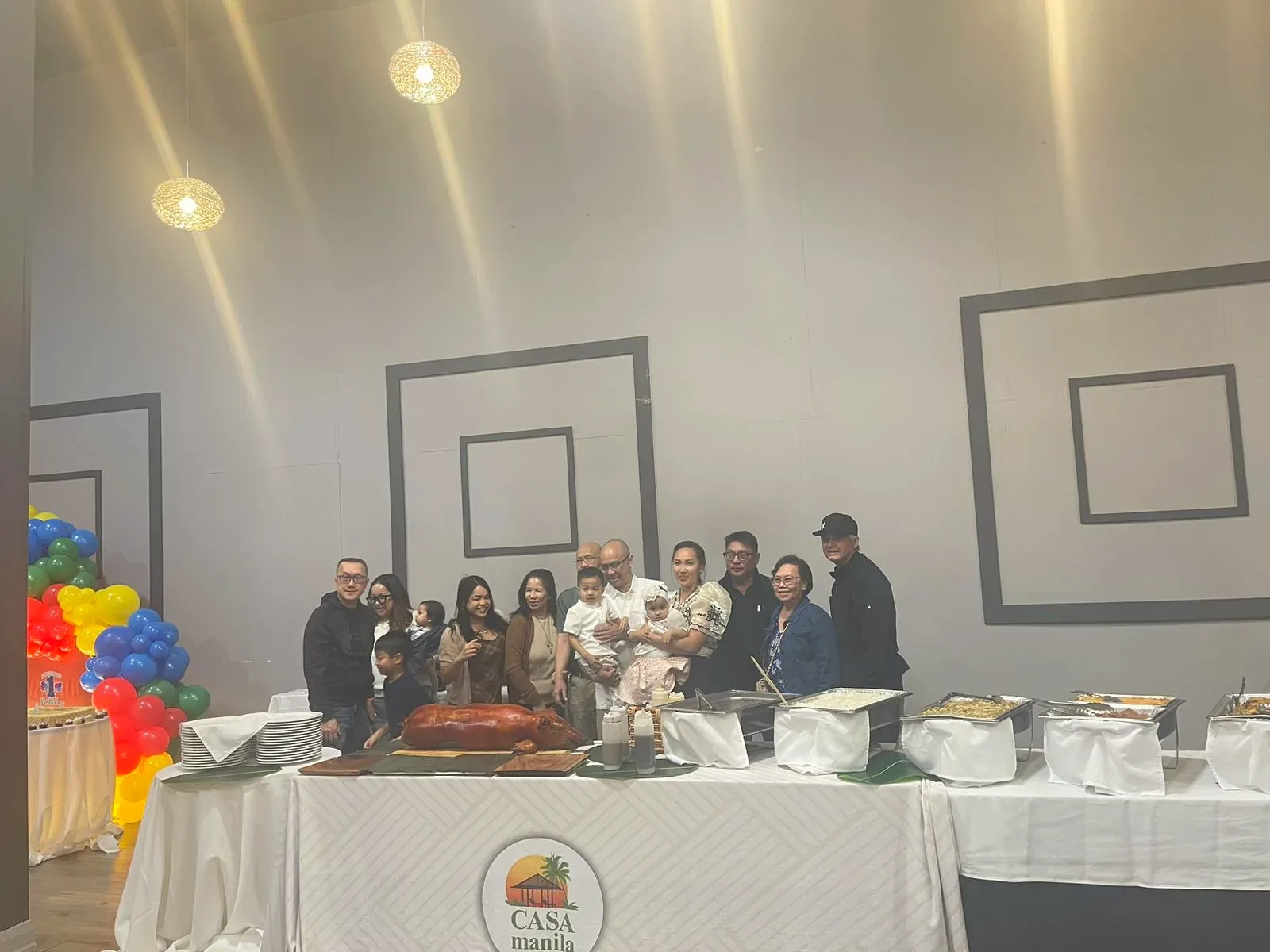
A first-birthday party at Casa ManilaA 50th birthday celebration at Casa ManilaA multi-generational gathering at Casa ManilaA 50th birthday celebration at Casa ManilaA first-birthday gathering at Casa ManilaHosted celebration at Casa ManilaA birthday backdrop set up at Casa ManilaThe back of the dining room set up for an event
Kamayan, the moment it lands
The morning's fruit
Daniel's first birthday

Photos & video by the Casa Manila family · 508 Danforth Ave

Think small, but be big

We're a social enterprise.

Casa Manila supports and collaborates with those who promote a socially just, community-building, and spiritually fulfilling world. These are the charities we support.

KLIKme logo

KLIKme

A Filipino social enterprise opening doors of hope for out-of-school youth — a mobile-first learning program that turns dropouts into self-supporting adults, powered by the global Filipino diaspora. Small acts of giving, real and visible change in the communities we come from.

Learn more
GAFAA logo

GAFAA

Global Advocacy For Autism Awareness — support, advocate, educate, understand, love, accept. Working so autistic people and their families are met with understanding, not stigma.